
Eye Exam vs. Contact Lens Exam: What's the Difference and Why Do You Need Both?
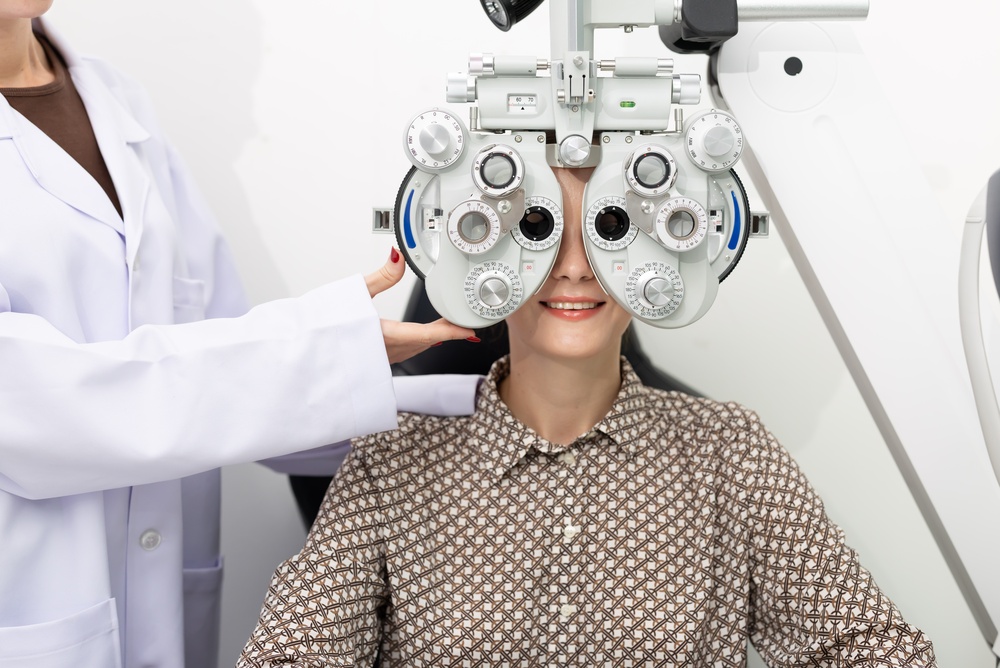
If you wear contact lenses or are considering switching from glasses, you may wonder whether you need both a comprehensive eye exam and a contact lens exam. While these appointments share some similarities, they serve different purposes. At Luke Eye Associates in Midland, TX, we provide both examinations to help patients maintain healthy eyes, clear vision, and comfortable contact lens wear.
What Is a Comprehensive Eye Exam?
A comprehensive eye exam evaluates your overall eye health and vision. During this appointment, we check how well you see, determine whether you need vision correction, and look for signs of eye conditions that may affect your sight.
A routine eye exam typically includes:
Visual acuity testing: Measuring how clearly you see at different distances.
Refraction testing: Determining your prescription for glasses.
Eye health evaluation: Examining the structures of your eyes for signs of disease or abnormalities.
Eye coordination assessment: Checking how effectively your eyes work together.
Additional testing: Evaluating eye pressure and other aspects of eye health as needed.
Regular comprehensive eye exams in Midland help us identify potential concerns, including glaucoma, cataracts, and other conditions that may develop without noticeable symptoms.
What Is a Contact Lens Exam?
A contact lens exam focuses specifically on determining which contact lenses will provide the best fit, vision, and comfort for your eyes.
Unlike glasses, contact lenses rest directly on the surface of your eyes. This means we must evaluate additional factors to ensure your lenses fit appropriately and support healthy contact lens wear.
During a contact lens exam, we may measure your corneal curvature, evaluate your tear film, and assess how trial lenses fit and move on your eyes. We also check your vision while wearing the lenses and make adjustments when necessary.
At Luke Eye Associates, we help patients in Midland explore contact lens options based on their prescriptions, eye health, and individual needs.
Why Are Glasses and Contact Lens Prescriptions Different?
A common misconception is that you can purchase contact lenses using your glasses prescription. However, these prescriptions are not interchangeable.
Glasses sit a short distance from your eyes, while contact lenses rest directly on the cornea. This difference can affect the prescription needed for clear vision.
A contact lens prescription also includes specific measurements and information about the lens brand, material, and fit. These details help ensure your contacts provide appropriate vision correction without compromising comfort or eye health.
Why Do You Need Both Exams?
A contact lens exam does not replace a comprehensive eye exam. Even if your contact lenses feel comfortable and your vision seems clear, underlying eye conditions can develop without obvious warning signs.
Your comprehensive eye exam evaluates your overall eye health, while your contact lens exam confirms that your lenses continue to fit properly.
Contact lens wearers may also experience dryness, irritation, or changes in corneal health over time. Regular evaluations allow us to identify concerns and recommend adjustments when needed.
How Often Should You Schedule These Exams?
Most contact lens wearers should have an eye exam and contact lens evaluation annually, although some patients require more frequent visits.
At Luke Eye Associates, we consider your eye health, prescription changes, and contact lens experience when recommending an appropriate examination schedule.
If you're due for an eye exam or need an updated contact lens prescription, contact Luke Eye Associates in Midland, TX, at (432) 220-2700 to schedule your appointment.


Contact Info
Hours of Operation
- Monday 8:30 am - 5:30 pm
- Tuesday 8:30 am - 5:30 pm
- Wednesday 8:30 am - 5:30 pm
- Thursday 8:30 am - 5:30 pm
- Friday 8:30 am - 5:30 pm
- Saturday Closed
- Sunday Closed
© 2026 Luke Eye Associates. All rights Reserved. Accessibility Statement - Privacy Policy - Sitemap
Powered by:
